







As part of the 2026 Budget, Council approved the introduction of a Red Light Camera Program.
A red light camera is an automated system that takes photos of vehicles that enter an intersection after the traffic light turns red. These cameras help improve safety at intersections.
Red light cameras are one part of the Town’s traffic safety efforts, which also include road design improvements, public education, and traditional traffic enforcement.
Next Steps
-
Enter into the required agreements
-
Develop a public education campaign for residents
-
Finalize camera locations
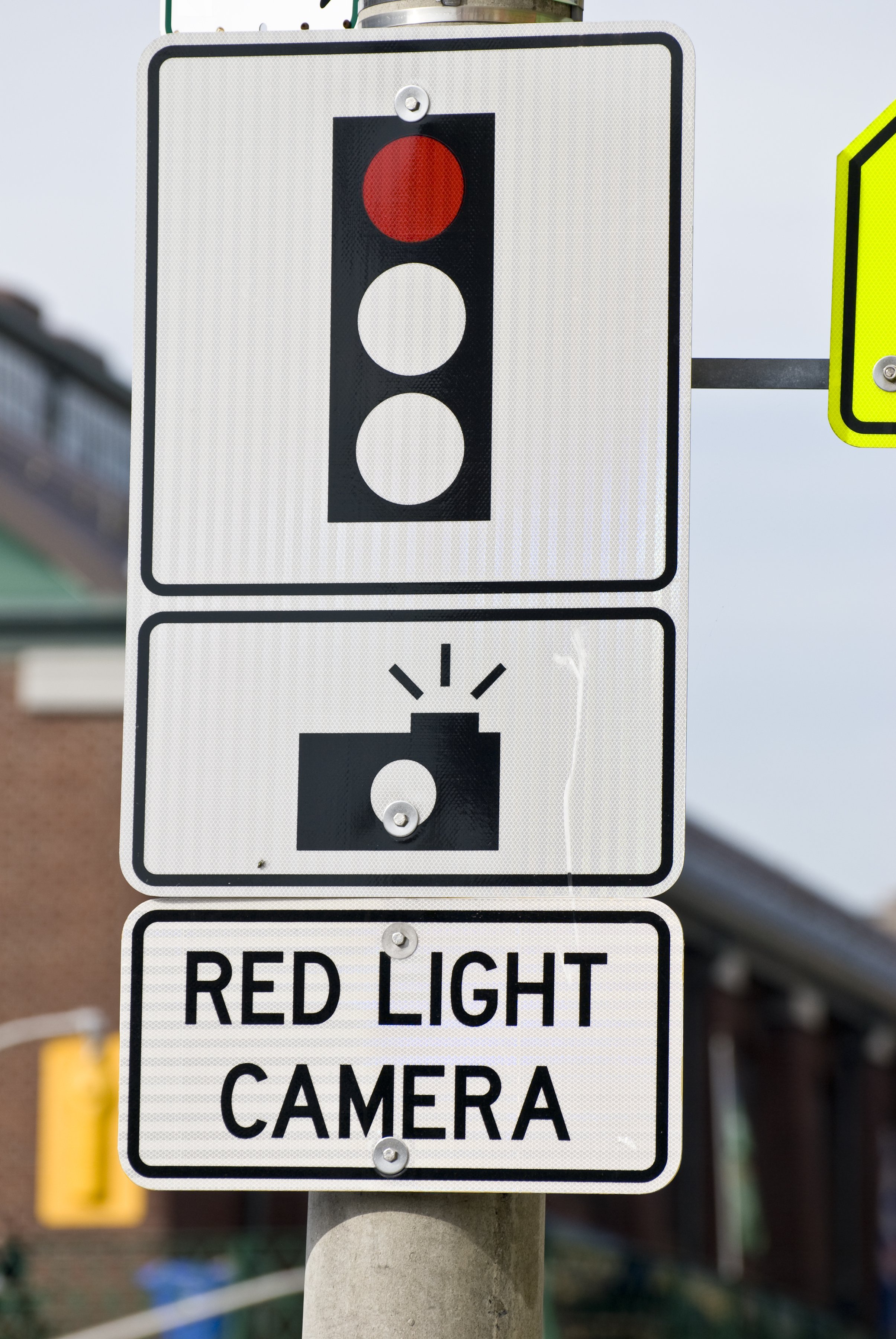
Why Red Light Cameras Matter
Red light cameras encourage drivers to stop at red lights, helping reduce dangerous collisions — especially right-angle (T-bone) crashes that can cause serious injuries. Studies in Ontario and other communities show these cameras can significantly reduce red-light violations and related crashes.
Questions? Find some answers below!
| How does RLC work? |
|
Red light cameras help enforce traffic laws when a driver runs a red light. The process works as follows: 1. Sensors and Signal Timing 2. Violation Detection 3. Photos Are Taken
The images record the date, time, location, and signal status. 4. Officer Review 5. Ticket Issued |
| How will sites be selected for RLC? |
| The Town uses collision data, red-light violation data (when available), and traffic volume to help determine where red light cameras should be installed. Staff also consider factors such as visibility, available space at the intersection for camera equipment, and any potential construction conflicts. |
| What legislation authorizes the use RLC? |
|
Red light violations fall under Section 144 of the Highway Traffic Act (HTA). Part XIV.2 of the HTA allows red light camera systems to collect evidence of a violation. The Town will operate the Red Light Camera Program using an administrative penalty system, in accordance with Ontario Regulation 355/22 – Administrative Penalties for Contraventions Detected Using Camera Systems. |
| Do red light cameras generate a lot of revenue? |
|
The goal of the Red Light Camera Program is to improve road safety, not to generate revenue. The program is intended to be revenue neutral, meaning any revenue collected would cover the cost of operating the program. Because red-light violations often decrease after cameras are installed, it can be difficult to predict how much revenue the program may generate. If the program does generate additional revenue, staff may recommend that these funds be used for road safety initiatives. The final decision on how the funds are used would be made by Council. |
Contact Us